- Free Consultation 24/7: (813) 727-7159 Tap Here To Call Us


From First DUI to Death Penalty


Can Cell Phone Location Evidence Prove Your Alibi? (2026)


Fully rewritten and updated October 26, 2026.
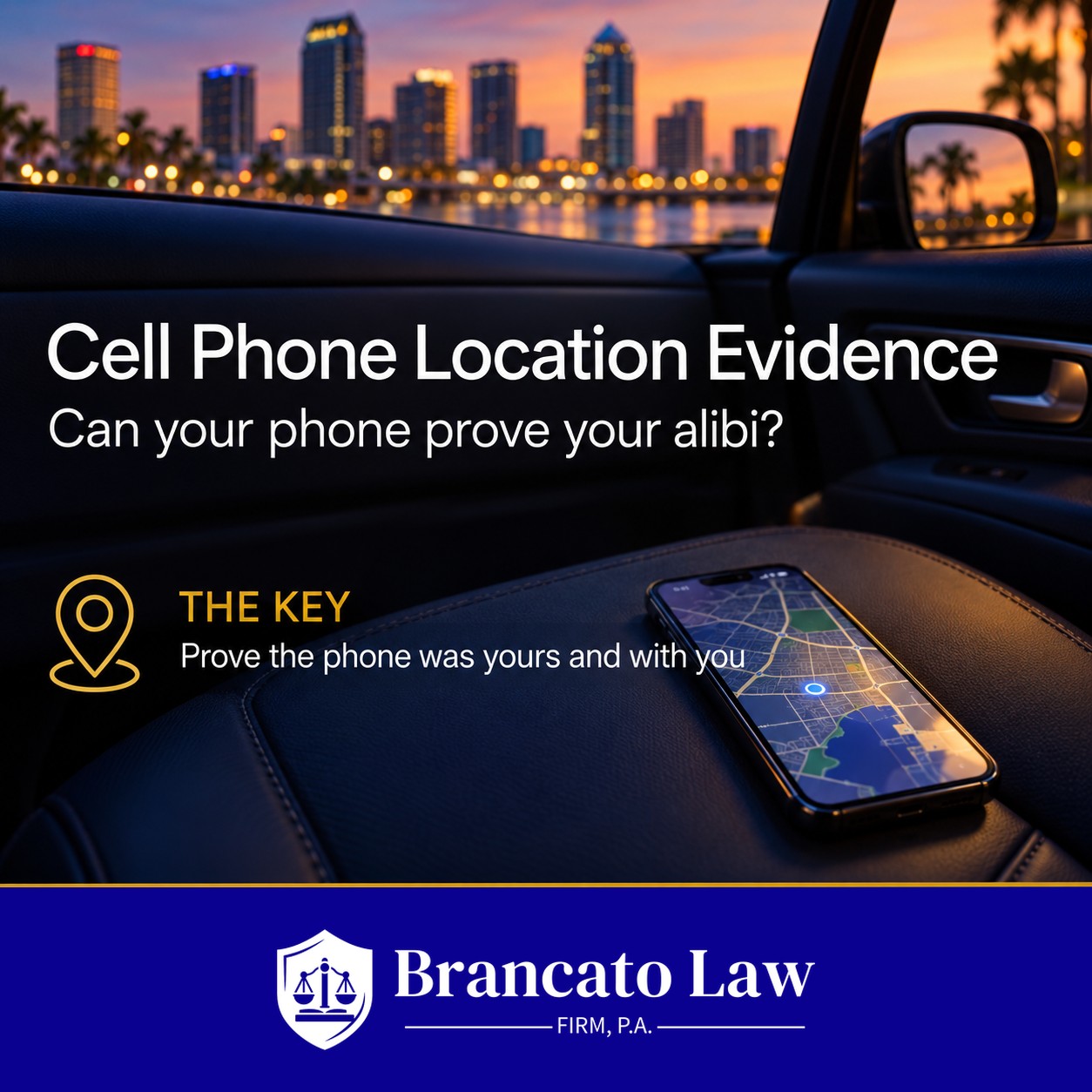
Yes. Cell phone location evidence, including GPS coordinates, cell tower records, Wi-Fi connection logs, and app location history, can show that your phone was miles from the crime scene at the moment the crime happened. To work as an alibi in a Florida criminal case, the defense has to preserve the data through a forensic extraction or a records subpoena, prove the phone was yours and was with you, and serve a notice of alibi under Florida Rule of Criminal Procedure 3.200 when the State demands one. This approach won a not guilty verdict in a Hillsborough County robbery trial handled by the Public Defender’s Office while Rocky Brancato was its Chief Operations Officer.
As founder of The Brancato Law Firm, P.A., a Tampa criminal defense firm, and a former Chief Operations Officer of the Hillsborough County Public Defender’s Office, where I oversaw a staff of over 100 attorneys, I have watched phone data decide cases in both directions. Prosecutors use it to put a client at the scene. Our attorneys use the same records, examined by an independent forensic expert, to show the jury where the client actually was.
What Is Cell Phone Location Evidence?
Cell phone location evidence is any record that shows where a phone was at a specific time. It comes from two places: the phone itself, and the companies that serve it. The phone stores GPS points, Wi-Fi connections, photo metadata, and app histories. The carrier keeps cell site records showing which tower and sector handled each call, text, or data session.
These sources are not equally precise. A GPS point from the phone can place it on a single block. A cell tower record only shows the general area the tower covers. The U.S. Supreme Court noted in Carpenter v. United States, 585 U.S. 296 (2018), which held that police generally need a warrant to obtain historical cell site records, that the precision of tower data “depends on the size of the geographic area covered by the cell site,” and that carriers can now pinpoint some phones within 50 meters. Knowing which kind of record you have is the first step in using it.
| Type of location data | Where it is stored | How precise it is | How the defense gets it |
|---|---|---|---|
| GPS coordinates | On the phone and in Google or Apple account history | Often within a block outdoors; weaker indoors | Forensic extraction of the phone; account records request |
| Cell site records (CSLI) | The wireless carrier’s business records | A tower’s coverage area, from a fraction of a mile to several miles | Subpoena duces tecum to the carrier |
| Wi-Fi connection logs | On the phone and on the network owner’s router | Places the phone at one home or business | Forensic extraction; subpoena to the business |
| App location history | On the phone and the app company’s servers | Varies by app; usually timestamped | Extraction; records request to the company |
| Photo and video metadata | Inside each image file | GPS point plus date and time | Forensic extraction |
Can Cell Phone Location Data Prove You Were Not at the Crime Scene?
Yes, if three things line up: the data puts the phone somewhere else at the time of the crime, the phone is proven to be yours, and the evidence shows you had it with you. Location data proves where a device was. It does not, by itself, prove where a person was. The defense case is built on closing that gap.
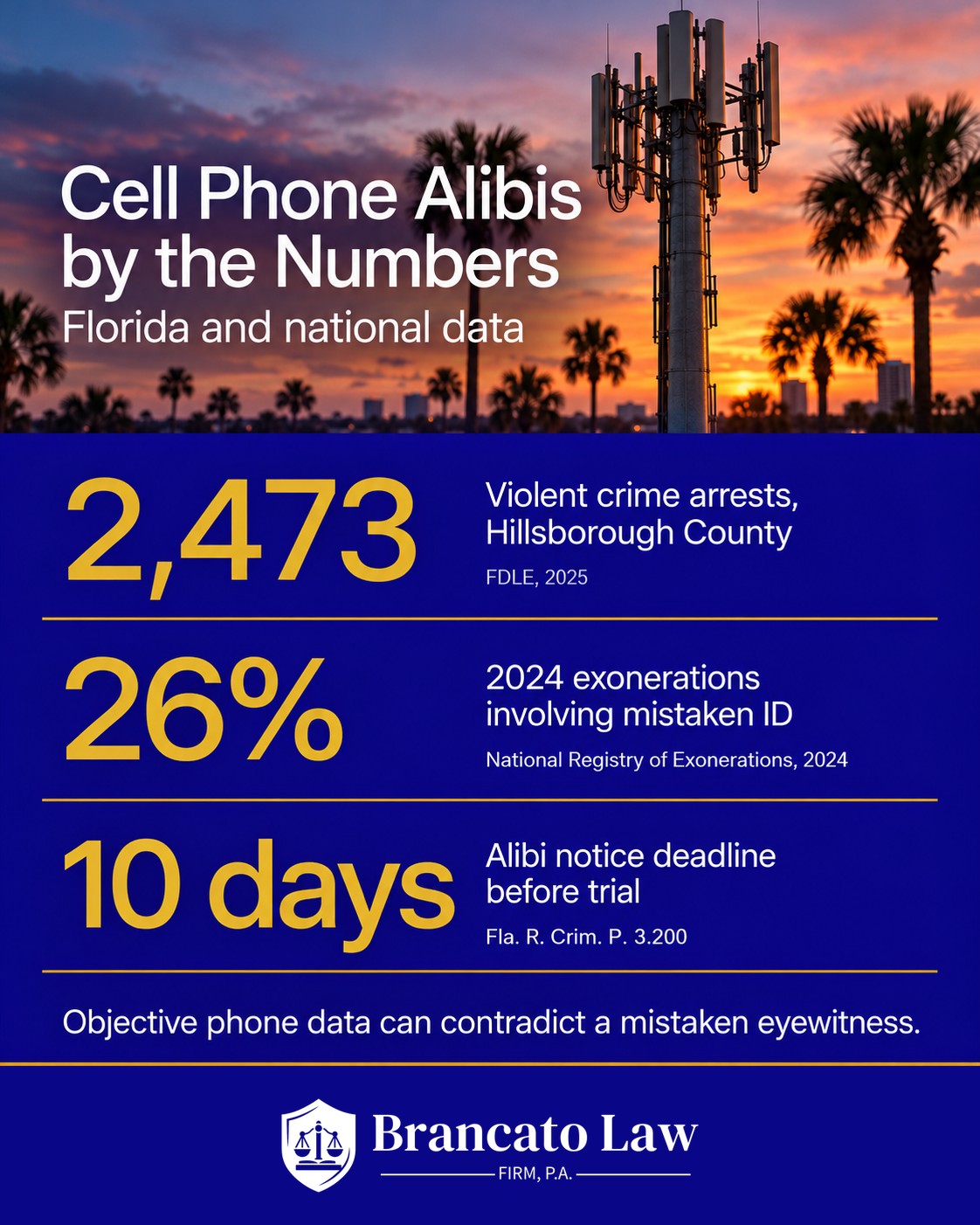
This matters most in cases that turn on identification. Hillsborough County recorded 2,473 violent crime arrests in 2025 (murder, rape, robbery, and aggravated assault), according to Florida Department of Law Enforcement arrest data published by Florida Health CHARTS. In many of those cases the State’s proof that the accused was present rests on a witness who saw the offender for seconds. The National Registry of Exonerations 2024 Annual Report found that 38 of the 147 exonerations recorded nationwide in 2024, or 26%, were based at least in part on mistaken witness identification. Objective phone data is one of the few kinds of evidence that can contradict an eyewitness who is sincere but wrong.
Case Study: The Robbery Case Where Police Never Examined the Phone
In a Hillsborough County robbery case from my time leading the Public Defender’s Office, the client was accused of committing a robbery at one location and was arrested later at another. His cell phone was left in the car and went into police evidence. Nobody from law enforcement ever examined it.
As Chief Operations Officer, I held daily case conferences with trial attorneys on their hardest strategy calls. This was one of them. The phone could hold location data that cleared the client. It could also hold texts, photos, or searches that made the case worse.
Why asking for the phone was a calculated risk
Once the defense asks to examine evidence the State has ignored, the State will examine it too. If the client was lying about where he was, the defense would have handed the prosecution new proof. I sent the attorney back to the jail to question the client hard on one point: was he certain he was nowhere near the robbery? He was. He insisted the phone would help him, and he understood the downside.
How the phone was examined
The defense filed a motion to obtain the phone from evidence and retained an independent forensic data expert. The expert used Cellebrite, a forensic extraction tool that copies the phone’s contents without altering them, including location records, photos, messages, and app data. The extraction showed that location services were on and that the phone was miles from the robbery when it happened.
How the State attacked the evidence, and how it failed
The prosecution argued that someone else may have been carrying the phone. The extraction answered that, too. It held photos of the client, email accounts in his name, social media profiles linked to him, and personal messages consistent with his identity. The case went to trial, the jury heard the location evidence, and the jury returned a verdict of not guilty.
Past results do not guarantee future outcomes. Every case turns on its own facts.
How Do You Prove the Phone Was Yours and With You?
You prove ownership and possession with the contents of the phone and the circumstances around it. Florida requires every exhibit to be authenticated, which section 90.901, Florida Statutes, satisfies with “evidence sufficient to support a finding that the matter in question is what its proponent claims.”
Florida courts accept circumstantial proof of who used a phone. In Symonette v. State, 100 So. 3d 180 (Fla. 4th DCA 2012), a robbery and murder case, the Fourth District upheld the State’s use of text messages from a phone taken from the defendant at arrest, because a witness identified the messages she exchanged with him and explained their context. The same rule works for the defense. The evidence that tied the phone to our client included:
- Photos of the client stored on the device
- Email and social media accounts in his name, logged in on the phone
- Messages whose content matched his relationships and daily routine
- Activity on the phone, such as calls, texts, or app use, during the window of the crime
That last item answers the State’s other argument: that you owned the phone but left it with someone else. Active use at the critical time, such as a call to a family member, a payment, or a selfie, helps show the phone was in your hand.
Is Cell Phone Location Evidence Admissible in Florida Courts?
Yes. Carrier records and forensic extraction reports are both regularly admitted in Florida trials, but each needs the right foundation.
Carrier records are business records. Under section 90.803(6), Florida Statutes, they come in through a records custodian’s testimony or a certification, and a party using a certification must give the other side reasonable written notice. In Perez v. State, 980 So. 2d 1126 (Fla. 3d DCA 2008), a Miami-Dade robbery and shooting case, the Third District held that carrier custodians could explain which towers handled the calls without being qualified as experts, because they were only explaining the records and did not claim to place the phone at a precise spot inside the tower’s one-to-three-mile coverage area. Our attorneys treat any testimony that tries to pinpoint a phone inside that area as expert testimony that must meet the rules below.
Phone extraction reports are treated differently. In Gayle v. State, 216 So. 3d 656 (Fla. 4th DCA 2017), the Fourth District held that a report generated by forensic extraction software was not hearsay, because it “was created by a machine” and not by a person. The court noted it was not deciding whether such a report could be challenged as inaccurate. That leaves room for both sides to fight about how the extraction was done, which is why the defense expert’s process matters.
Any expert who interprets location data must meet section 90.702, Florida Statutes: the testimony must rest on sufficient facts or data, use reliable principles and methods, and apply them reliably to the case. Our attorneys use the same three requirements to challenge a State analyst who claims more precision than tower records can give.
| Evidence | Foundation the defense needs | Common State objection |
|---|---|---|
| Carrier cell site records | Custodian testimony or a 90.803(6) certification with written notice | Records do not show where inside the coverage area the phone was |
| Forensic extraction report | Expert testimony on the tool, the process, and the copy’s integrity | Extraction was incomplete or the data was altered |
| Expert mapping of tower coverage | Qualified expert who meets section 90.702 | Method is unreliable or overstates precision |
| Proof the phone was the client’s | Photos, accounts, messages, and activity on the device | Someone else had the phone |
Do You Have to Tell the Prosecutor About a Cell Phone Alibi?
Yes, if the State demands it. Under Florida Rule of Criminal Procedure 3.200, once the prosecutor serves a written demand, a defendant who intends to offer an alibi must file a notice not less than 10 days before trial. The notice must state where the defendant claims to have been and list the alibi witnesses, which can include the forensic expert and records custodians.
If the defense skips the notice, the judge may exclude the alibi evidence except the defendant’s own testimony. The State then gets 5 days to list its rebuttal witnesses. Our attorneys plan for this deadline from the start, because a strong phone alibi is worth nothing if the jury never hears it.
What Are the Steps to Build a Cell Phone Alibi Defense?
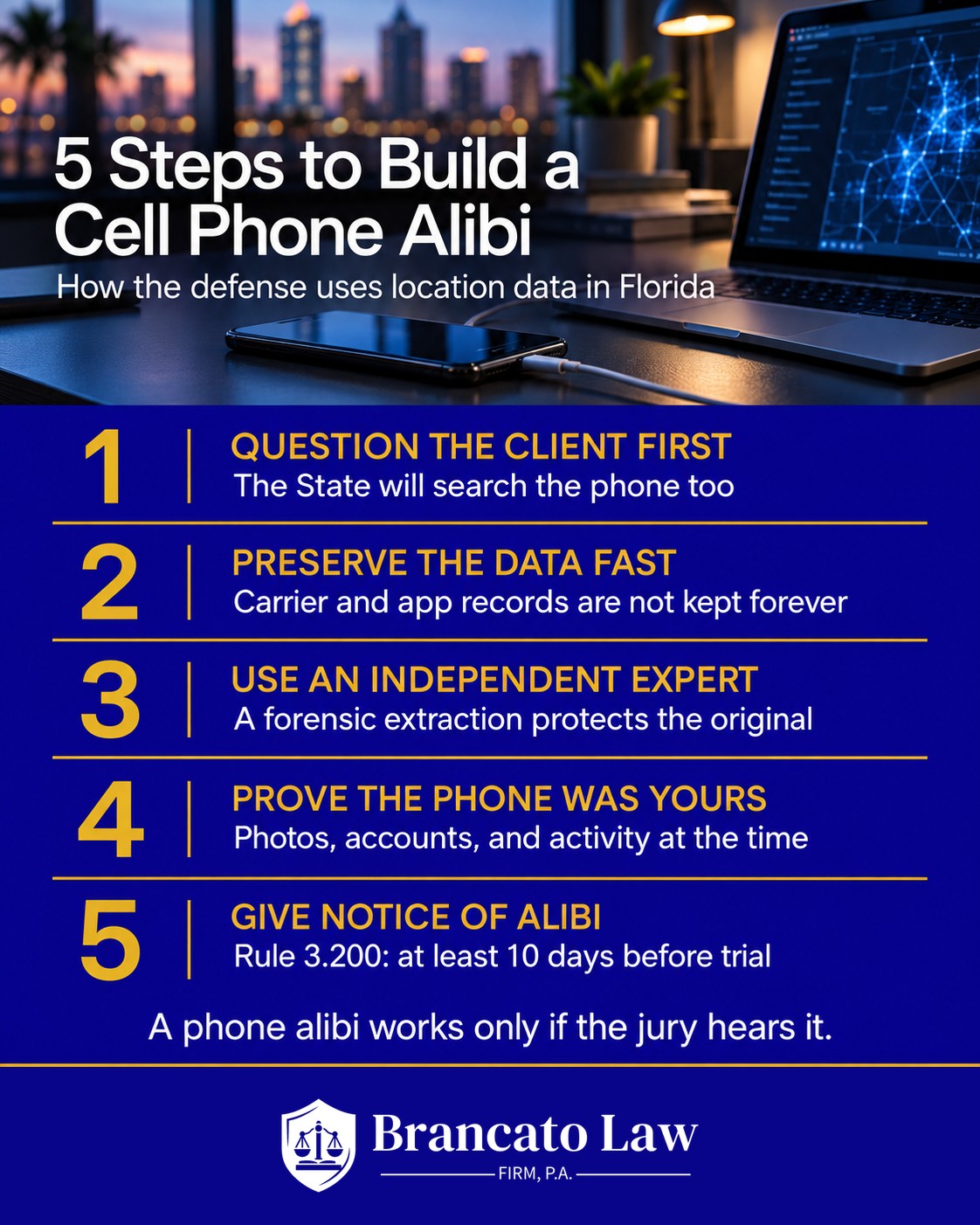
A cell phone alibi is built in five steps, and the order matters:
- Question the client before touching the phone. Once the defense asks for it, the State will look too. Our attorneys make sure the client understands that risk and is certain about where he was.
- Preserve the data fast. Carrier and app records are not kept forever. We send preservation letters and subpoenas early, and we move to obtain a phone held in evidence.
- Use an independent forensic expert. A proper extraction, with tools like Cellebrite, preserves the original and captures location data, deleted items, and proof of ownership.
- Prove the phone was yours and with you. We gather photos, accounts, messages, and activity during the time of the crime.
- Give notice and prepare for the attack. We serve the Rule 3.200 notice when demanded and prepare the expert for a cross-examination about precision and possession.
Can Police Get Your Location Data Without a Warrant?
Usually no. In Carpenter, the U.S. Supreme Court held that the government “must generally obtain a warrant supported by probable cause” before getting historical cell site records from a carrier. Florida’s Supreme Court reached a similar result for real-time tracking in Tracey v. State, 152 So. 3d 504 (Fla. 2014), where officers followed a suspect’s phone in real time under an order that only authorized call records. The court held that tracking him that way was a search requiring probable cause and that the evidence should have been suppressed.
When the State’s location data was obtained without a valid warrant, our attorneys file a motion to suppress. Our post on Chatrie and geofence warrants covers the government’s side of this issue in more detail. If you think police are looking at your phone before any charge is filed, representation before charges are filed can protect both your rights and your data.
How Soon Should You Act on Cell Phone Evidence?
Act within days, not months. Phone records are routinely overwritten or deleted on schedules set by carriers and app companies, and a phone sitting in a property room can lose its charge, update, or be returned. In the Hillsborough County case above, the defense needed a court order to get the phone out of police evidence for an independent extraction, and that takes time to schedule. Our Hillsborough County criminal defense attorneys start that process at the first meeting when location evidence could matter.
Our Tampa criminal forensic science attorney page explains how we work with forensic experts on digital evidence. When police data has been lost or destroyed, see our case study on what happens when police destroy evidence. For robbery charges specifically, read how to defend against an armed robbery charge in Florida.
Frequently Asked Questions
How accurate are cell tower records compared to GPS?
Cell tower records are much less precise than GPS. A tower record shows only that the phone was somewhere inside that tower’s coverage area, which can be a fraction of a mile in a city or several miles in a rural area, while GPS can place the phone on a specific block. Our attorneys at The Brancato Law Firm have an expert explain that difference to the jury, whether the State is overstating its tower data or we are relying on GPS.
Can the prosecutor use my phone against me if I ask to have it examined?
Yes. Once the defense seeks to examine a phone, the State can examine it too, and anything on it may become evidence. That is why The Brancato Law Firm questions the client closely before requesting a phone from evidence, as described in our Tampa criminal forensic science lawyer work.
What is Cellebrite, and can the defense use it?
Cellebrite is forensic software that makes a complete copy of a phone’s data, including location history, deleted files, messages, and photos, without changing the original. The defense can hire an independent expert who uses it. Our team at The Brancato Law Firm works with forensic data experts who perform the extraction and testify about how it was done, as explained in our post on expert witnesses in criminal defense.
What if I did not have location services turned on?
You may still have location evidence. Carrier cell site records exist whether or not location services are on, and Wi-Fi logs, photo metadata, and app activity can fill gaps. The Brancato Law Firm subpoenas carrier records and reviews the full extraction to find every timestamped location point.
Can social media posts or check-ins prove where I was?
Yes, they can add to an alibi. Timestamped posts, check-ins, and uploads can place your account at a location, but the State may argue someone else posted them, so they work best alongside phone data. Our attorneys at The Brancato Law Firm collect and authenticate this material, as covered in our guide to social media evidence in Tampa criminal cases.
Can cell phone evidence get robbery charges dropped in Florida?
It can. If phone data clearly puts you elsewhere before trial, the State Attorney’s Office may drop the charge (a nolle prosequi) rather than try a case it is likely to lose. The Brancato Law Firm presents strong alibi evidence to prosecutors early when doing so helps the client, and our Tampa violent crime lawyer page explains how we defend robbery cases.
Talk to a Tampa Defense Attorney About Cell Phone Evidence
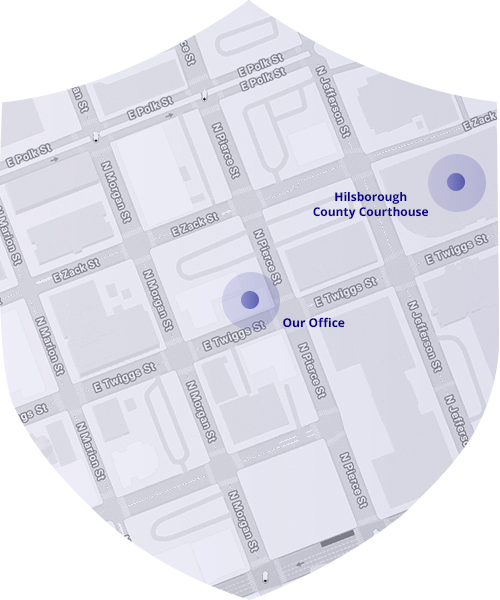
Location records can disappear on a carrier’s schedule, so the time to secure them is now. Call The Brancato Law Firm, P.A., founded by Tampa Criminal Defense Attorney Rocky Brancato, at (813) 727-7159, and our attorneys will identify every source of location data in your case and move to preserve it. You can call us at any hour, and our office is two blocks from the courthouse. Our firm has Spanish-speaking staff, and attorney Jean-Luc Adrien speaks Spanish, Haitian Creole, and French. Read our guide for Spanish and Haitian Creole speakers facing criminal charges.
For more about our defense strategies, visit our Tampa Criminal Forensic Science Attorney page.
The Brancato Law Firm, P.A.
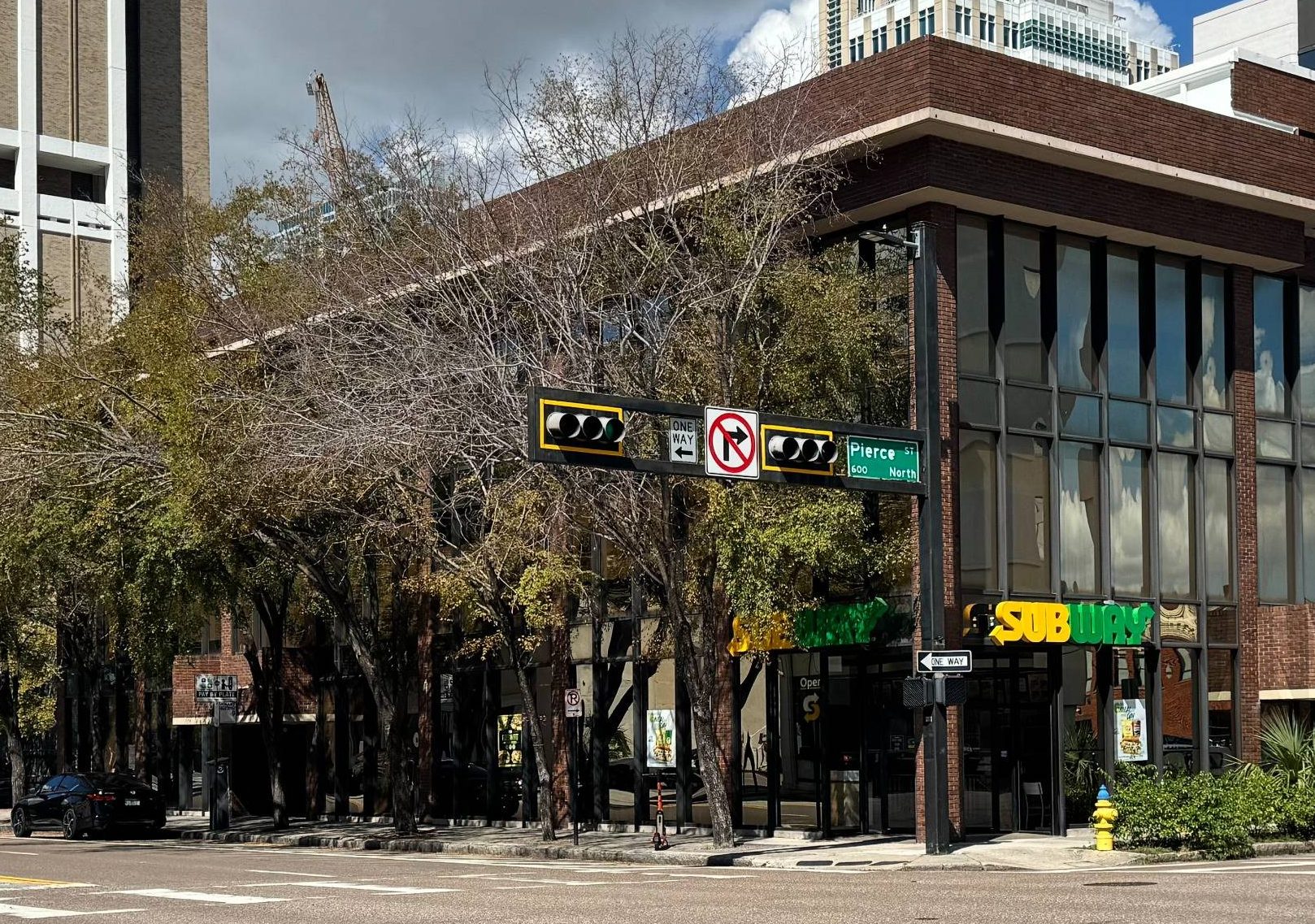
620 E. Twiggs Street, Suite 205, Tampa, FL 33602
(813) 727-7159
Serving Hillsborough, Pinellas, and Pasco Counties
The Brancato Law Firm, P.A. is a Tampa-based criminal defense practice. We are not affiliated with any other Brancato-named law firms.
Visit Us
Tampa, FL 33602
Contact Us Now
Free Legal Consultation (813) 727-7159