- Free Consultation 24/7: (813) 727-7159 Tap Here To Call Us


From First DUI to Death Penalty



What Is Florida’s Mental Health Diversion Law? The Tristin Murphy Act (2026)


Fully rewritten and updated October 26, 2026.
Florida’s mental health diversion law, the Tristin Murphy Act (SB 168, chapter 2025-180), took effect October 1, 2025. It created two model programs: misdemeanor and ordinance-violation diversion under section 916.135 and pretrial felony diversion under section 916.136. A person charged with a second- or third-degree felony may qualify if he or she has a mental illness, has no more than three prior felony convictions in the past five years, is not charged with a violent felony, and has no significant history of violence. Entry is voluntary, the state attorney has sole discretion over felony eligibility, and after successful treatment the state attorney must consider dismissing the charges.
In a mental health diversion request, the prosecutor wants two things answered before saying yes: is there a real diagnosis, and is there a treatment plan that will keep the community safe. I have answered those questions for clients for more than 25 years in Hillsborough County courtrooms, including as a former Chief Operations Officer of the Hillsborough County Public Defender’s Office, where I oversaw a staff of over 100 attorneys and saw how many cases began with an untreated illness. I’m Rocky Brancato, founder of The Brancato Law Firm, P.A., a Tampa criminal defense firm. Our attorneys build the evaluation, the treatment plan, and the written request that diversion requires.
What Is the Tristin Murphy Act?
The Tristin Murphy Act is a 2025 Florida law that creates model pretrial diversion programs for people with mental illness charged with misdemeanors or lower-level felonies. Governor DeSantis signed SB 168 in Tampa on June 25, 2025, and it became chapter 2025-180, Laws of Florida, effective October 1, 2025. The law is named for Tristin Murphy, a 37-year-old father diagnosed with schizophrenia who was serving a prison term for littering more than 500 pounds after driving his truck into a retention pond. He died by suicide on September 16, 2021, while on a work assignment at a state prison, according to the Florida Senate staff analysis of SB 168.
| Provision | Where it is | What it does |
|---|---|---|
| Misdemeanor and ordinance diversion | Section 916.135 | Model process to screen defendants within 24 hours of booking and divert them to treatment; the state attorney must consider dismissal after treatment is completed |
| Pretrial felony diversion | Section 916.136 | Diversion for second- and third-degree felonies, with eligibility in the state attorney’s sole discretion |
| Forensic Hospital Diversion Pilot | Section 916.185 | Adds Hillsborough County and the 13th Judicial Circuit to a pilot for defendants found incompetent or not guilty by reason of insanity |
| Prison work assignments | Department of Corrections | Requires a physical and mental health evaluation before an inmate is approved for outside work |
| Behavioral health data | Florida State University | Creates a statewide behavioral health data repository |
Who Qualifies for Felony Mental Health Diversion in Florida?
A defendant charged with a second- or third-degree felony may qualify for diversion under section 916.136, Florida Statutes, if he or she meets four criteria:
- Has a mental illness.
- Has no more than three prior felony convictions in the past five years.
- Is not charged with a violent felony.
- Does not have a significant history of violence.
Meeting the criteria does not guarantee entry. The statute gives the state attorney “the sole discretion to determine a defendant’s eligibility,” and it also lets the state attorney waive the criteria “in extenuating circumstances” when doing so “is in the interest of justice.” First-degree felonies are not covered. To participate, the defendant signs a consent form agreeing to treatment, to release of the records needed to prove compliance, and to waive the right to a speedy trial.
Florida courts treat a prosecutor’s diversion decision as off-limits to judges. In Cleveland v. State, 417 So. 2d 653 (Fla. 1982), a woman charged with felony welfare fraud met every statutory requirement for pretrial intervention, but the state attorney refused to consent; the trial judge ordered her admitted anyway. The Florida Supreme Court held that “the pretrial diversion decision of the state attorney is prosecutorial in nature and, thus, is not subject to judicial review.” Under section 916.136, that means the persuasion has to happen with the prosecutor, which is why our attorneys present the evaluation and treatment plan before the State makes its decision.
How Does Misdemeanor Mental Health Diversion Work?
Under section 916.135, a person charged only with a misdemeanor or ordinance violation can be screened for mental illness within 24 hours of booking and then evaluated and assessed for treatment. The state attorney, the defense attorney, or the court may request screening “at any stage of the criminal proceedings.” If the person completes all treatment recommendations, “the state attorney must consider dismissal of the charges,” and if dismissal is not appropriate, may refer the case to mental health court. When a defendant falls short on treatment, the court may “exhaust therapeutic interventions” before considering a return to jail.
Both new sections describe a model process. Each community may adapt it to local resources, and the law encourages counties to apply for state reinvestment grants to fund programs. Whether a program operates in a given county, and how it runs, depends on the local state attorney, public defender, sheriff, court, and treatment providers.
Is Mental Health Court a Better Option Than the New Diversion Law?
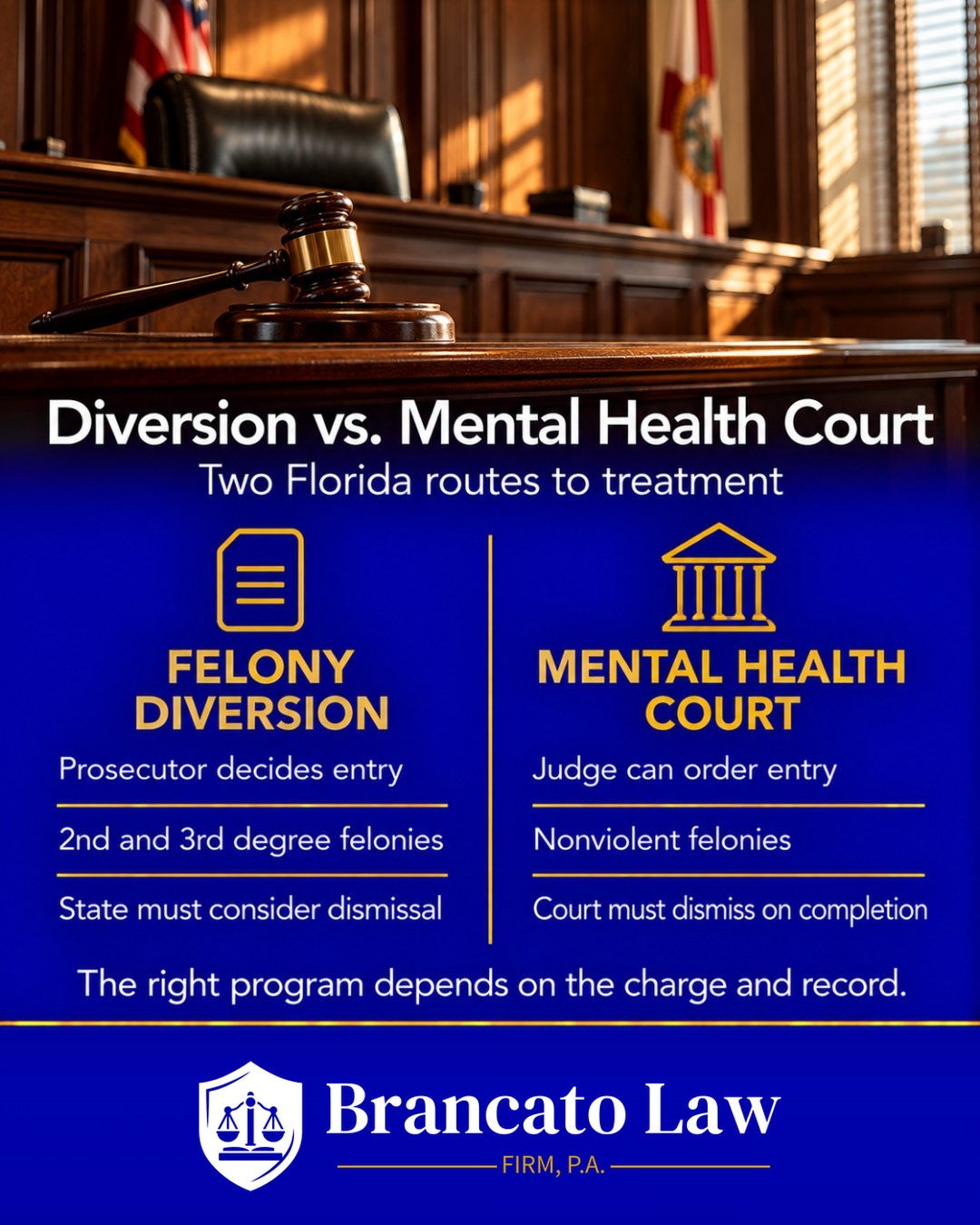
Sometimes, because Florida’s older mental health court statute does not leave admission solely to the prosecutor. Under section 948.08(8), a defendant identified as having a mental illness and charged with a nonviolent felony is eligible for a pretrial mental health court program “upon motion of either party or the court’s own motion.” The State and the officer must consent only for resisting an officer with violence or battery on a law enforcement officer, and the State and the victim for aggravated assault. At the end of the program, “the court shall dismiss the charges upon a finding that the defendant has successfully completed” it.
| Question | Felony diversion (s. 916.136) | Pretrial mental health court (s. 948.08(8)) |
|---|---|---|
| Who decides entry | State attorney, in sole discretion | Court, on motion of either party or its own motion |
| Charges covered | Second- and third-degree felonies, not violent felonies | Nonviolent felonies; some listed violent charges with consent |
| Prior record limit | No more than three felony convictions in five years | No limit stated in subsection (8) |
| Result after completion | State attorney must consider dismissal | Court must dismiss on a finding of successful completion |
| Speedy trial | Waived by signing the consent form | Program period set by the court |
The 13th Judicial Circuit lists an Adult Mental Health Treatment Court among its problem-solving courts in Hillsborough County. In our experience, the best route depends on the charge, the record, and the diagnosis, and our attorneys often present both options so the case lands in the program most likely to end in a dismissal. Our Tampa criminal mental health lawyer page explains how we handle these cases.
How Common Is Mental Illness Among People in Prison?
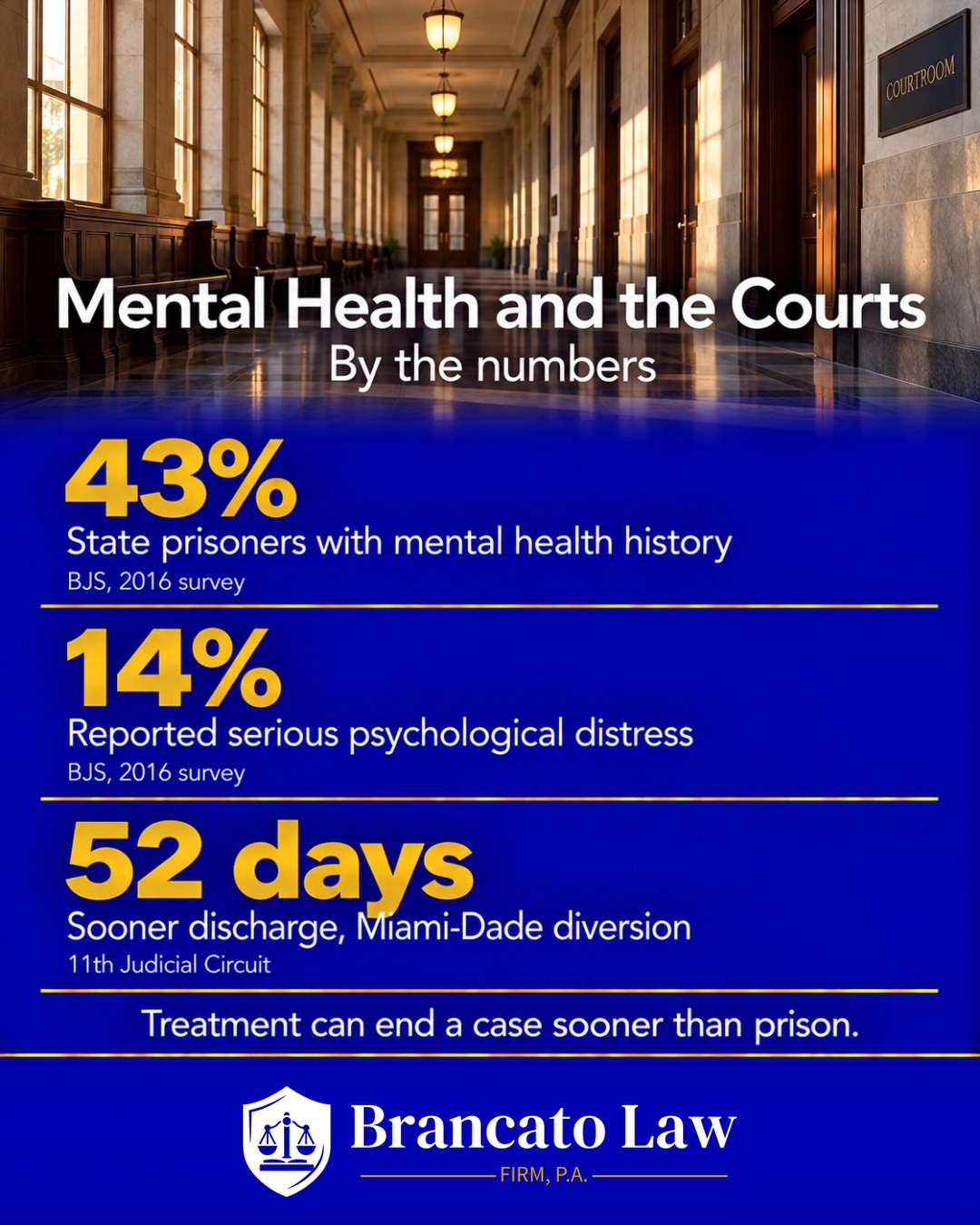
Common enough that diversion affects a large share of criminal cases. About 43 percent of state prisoners reported a history of a mental health problem in the 2016 Survey of Prison Inmates, according to a 2021 report by the U.S. Bureau of Justice Statistics, and about 14 percent reported serious psychological distress in the 30 days before the interview. In Florida, the Department of Corrections estimates that nearly 60 percent of incarcerated people have a substance use disorder and only about one-third of them receive services, as reported in the 2025 Senate staff analysis of SB 168.
Research supports treatment-based courts. A study published in the American Journal of Psychiatry, Effectiveness of a Mental Health Court in Reducing Criminal Recidivism and Violence (McNiel and Binder, 2007), compared 170 people who entered a San Francisco mental health court with 8,067 other adults with mental disorders booked into the county jail. Participation was associated with a longer time without any new criminal charges or new charges for violent crimes, and graduates kept those reductions after court supervision ended.
What Is the Forensic Hospital Diversion Pilot in Hillsborough County?
It is a community treatment alternative to a state forensic hospital, and the Tristin Murphy Act added Hillsborough County to it. Under section 916.185, the Department of Children and Families may run the pilot in Hillsborough County with the 13th Judicial Circuit, alongside Okaloosa, Duval, Broward, and Miami-Dade Counties, “if existing resources are available to do so on a recurring basis.” It is limited to adults charged with second- or third-degree felonies who have no significant history of violent offenses, who have been adjudicated incompetent to proceed or not guilty by reason of insanity, and who would otherwise be committed to a state facility.
The pilot is modeled on the Miami-Dade Forensic Alternative Center. The Eleventh Judicial Circuit reports that its participants are ready for discharge from forensic commitment an average of 52 days sooner, spend an average of 31 fewer days under commitment, and cost about 32 percent less than people served in state forensic facilities, according to the Senate staff analysis, which projected a Hillsborough pilot cost of about $1.5 million per year. For how competency is decided in the first place, see our post on competency to proceed.
How Do You Get Into Mental Health Diversion in Florida?
You get in by documenting the illness, building a treatment plan, and asking early. These are the steps our attorneys take:
- Get a qualified evaluation. A psychiatrist or psychologist confirms the diagnosis and links it to the conduct charged. Jail screening under the new law is a start, but a full evaluation carries more weight.
- Collect the treatment history. Prior hospitalizations, Baker Act records, prescriptions, and provider letters show the illness predates the arrest.
- Line up a provider. A local treatment center ready to assess and treat the client answers the prosecutor’s safety question.
- Choose the program. We compare section 916.136 diversion, mental health court under section 948.08(8), and ordinary pretrial intervention for the specific charge and record.
- Make the written request. We present the evaluation and plan to the State Attorney’s Office, or file the motion for mental health court, before plea negotiations harden.
- Track compliance. Completion records are what turn treatment into a dismissal.
When diversion is refused, the same work still matters. A documented mental illness can support a downward departure at sentencing, and our mitigation report and autism downward departure posts explain how. For how felony cases move through the courthouse, see our Hillsborough County criminal defense attorney page.
Frequently Asked Questions About Florida Mental Health Diversion
Does the Tristin Murphy Act apply to violent felonies?
No, felony diversion under section 916.136 excludes anyone charged with a violent felony or with a significant history of violence, though the state attorney may waive the criteria in extenuating circumstances. The Brancato Law Firm looks at whether mental health court under section 948.08(8), which allows some listed charges with consent, is a better fit.
Can a judge order me into mental health diversion if the prosecutor says no?
Not under section 916.136, because the state attorney has sole discretion and Cleveland v. State holds that diversion decisions are not subject to judicial review. Our attorneys at The Brancato Law Firm can ask the court for pretrial mental health court under section 948.08(8), which allows admission on motion of either party.
Will my charges be dismissed if I finish the program?
Under the Tristin Murphy Act, the state attorney must consider dismissal, but dismissal is not automatic. The Brancato Law Firm documents every completed treatment step so the request for dismissal is hard to refuse; see our criminal mental health defense page.
Do I give up my right to a speedy trial in mental health diversion?
Yes, the consent form under both new sections includes an agreement to waive the right to a speedy trial. Our attorneys at The Brancato Law Firm explain that trade-off before a client signs, because the case can return to the trial docket if the program is revoked.
Does autism or an intellectual disability qualify for felony diversion under the new law?
Section 916.136 uses the term “mental illness,” and the statute does not define autism or intellectual disability as covered. The Brancato Law Firm raises those conditions through other routes, including a downward departure and competency proceedings; see our autism downward departure guide.
Can a family member ask for mental health diversion for a loved one in jail?
A family member cannot file the request, but the state attorney, the defense attorney, or the court can request screening at any stage of a misdemeanor case under section 916.135. The Brancato Law Firm works with families to gather the treatment records that support a diversion request.
For how this fits into the rest of a case, see our step-by-step guide to what happens in a Florida criminal case.
Talk to a Tampa Defense Attorney About Mental Health Diversion
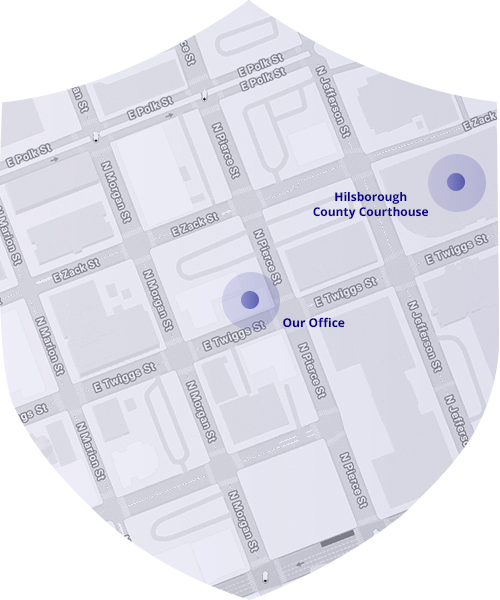
Start before the first plea offer, because diversion is easiest to win before the State settles on a plan. Call The Brancato Law Firm, P.A., founded by Tampa Criminal Defense Attorney Rocky Brancato, at (813) 727-7159, and our attorneys will review the charge, the record, and the diagnosis to find the program that fits. You can call us at any hour, and our office is two blocks from the courthouse. Our firm has Spanish-speaking staff, and attorney Jean-Luc Adrien speaks Spanish, Haitian Creole, and French. Read our guide for Spanish-speaking criminal defense clients in Tampa.
For more about our defense strategies, visit our Tampa Criminal Mental Health Lawyer page.
The Brancato Law Firm, P.A.
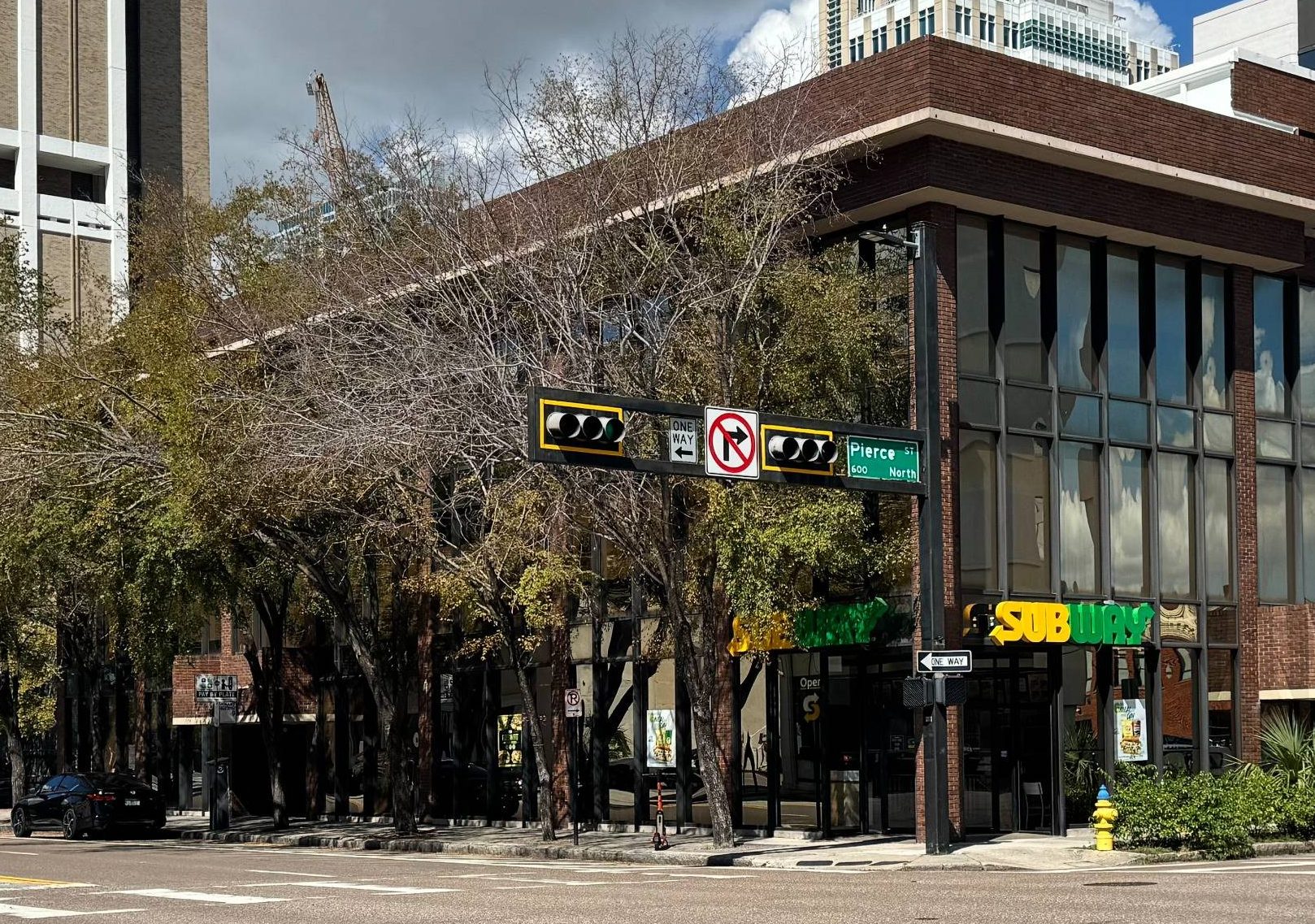
620 E. Twiggs Street, Suite 205, Tampa, FL 33602
(813) 727-7159
Serving Hillsborough, Pinellas, and Pasco Counties
The Brancato Law Firm, P.A. is a Tampa-based criminal defense practice. We are not affiliated with any other Brancato-named law firms.
Visit Us
Tampa, FL 33602
Contact Us Now
Free Legal Consultation (813) 727-7159