How to fight an aggravated battery charge in Florida: what the State must prove, prison scoresheet math, 10-20-Life, and the defenses our Tampa attorneys use.
Continue reading ›




How to fight an aggravated battery charge in Florida: what the State must prove, prison scoresheet math, 10-20-Life, and the defenses our Tampa attorneys use.
Continue reading ›
When Florida law justifies non-deadly and deadly force, no duty to retreat, the home and vehicle presumption, the aggressor rule, Oquendo (2025), Cordell (2026), and the new resisting-officer law.
Continue reading ›
A step-by-step guide to Florida’s pretrial Stand Your Ground immunity hearing: the sworn motion, the State’s clear and convincing burden, recent decisions, and review by prohibition.
Continue reading ›
In Florida, Stand Your Ground is part of the self-defense law in Chapter 776 of the Florida Statutes. Stand Your Ground adds the rule that you have no duty to retreat, which means you do not have to try to get away before you defend yourself. Stand Your Ground also gives you a chance to…
Continue reading ›
A Tampa criminal defense firm explains how to claim self-defense in Florida: the four elements, Stand Your Ground, immunity hearings, and what to do first.
Continue reading ›
Florida’s 10-20-Life law, codified at Florida Statute § 775.087, imposes three mandatory minimum prison sentences when a firearm is used during certain enumerated felonies: 10 years for possessing or displaying a firearm, 20 years for discharging it, and 25 years to life if the discharge causes great bodily harm or death. There is no parole,…
Continue reading ›
Updated November 8, 2026 But Only If Your Attorney Argues It Correctly Oquendo v. State, SC2023-0807 (Fla. Oct. 9, 2025) Case Summary: Oquendo v. State Holding: PTSD evidence can be relevant to self-defense claims—specifically to show what the defendant actually believed at the time of the incident. Key Limitation: PTSD alone won’t justify self-defense. Attorney…
Continue reading ›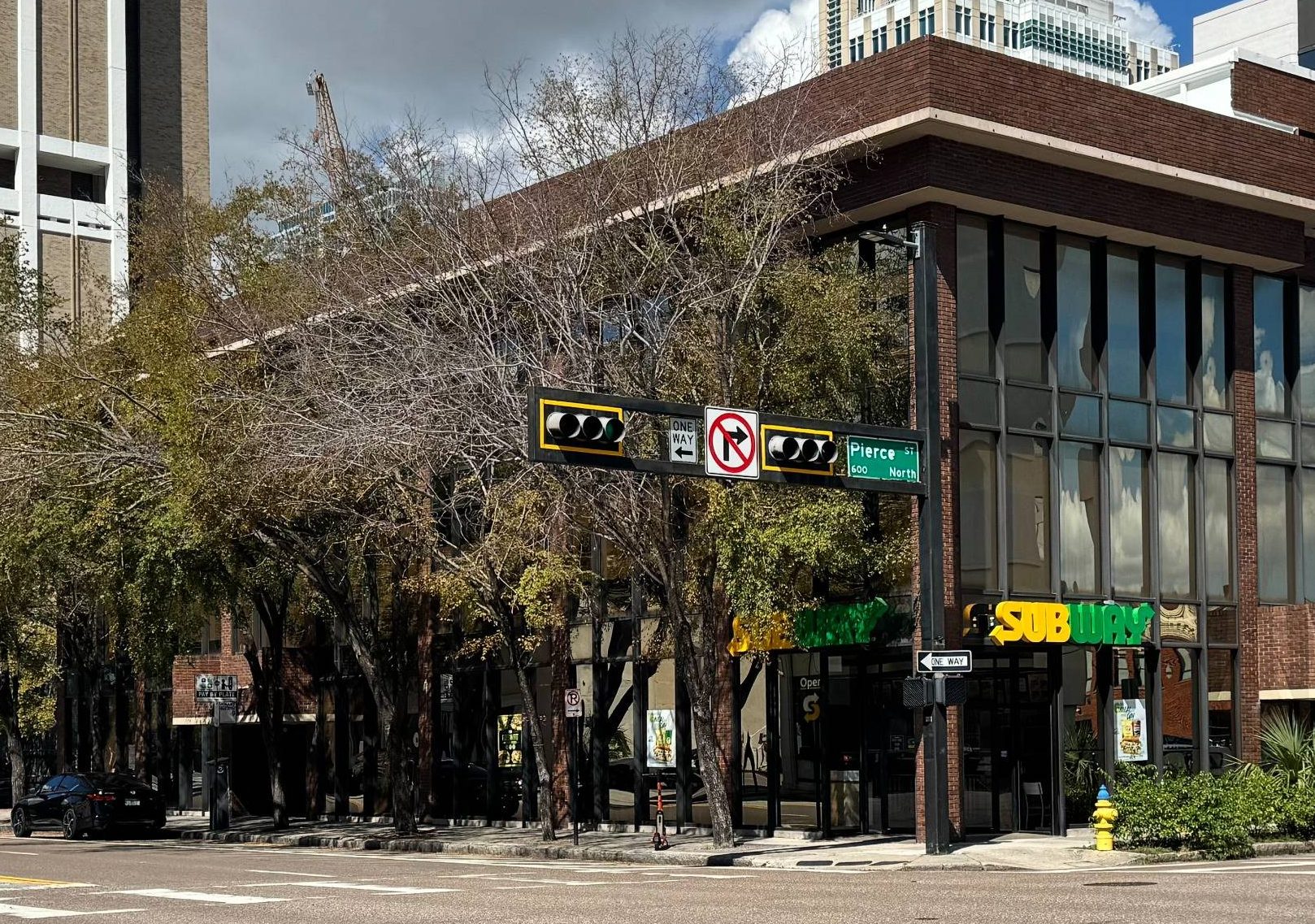
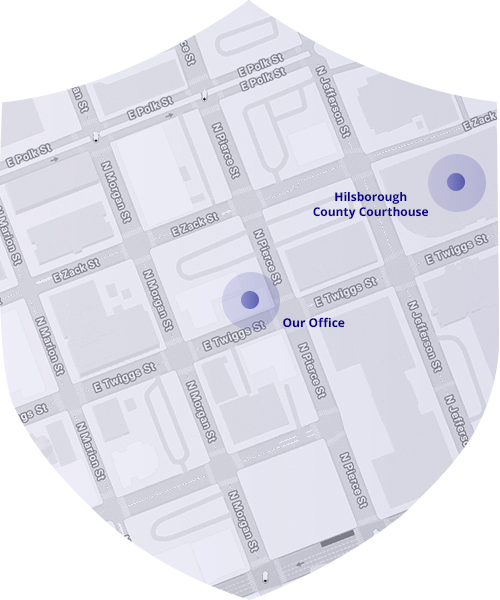
Tampa, FL 33602
Free Legal Consultation (813) 727-7159