What happens after a DUI arrest in Hillsborough County: jail, the 10-day license deadline, refusal and CDL rules, RIDR diversion, and each court date.
Continue reading ›




What happens after a DUI arrest in Hillsborough County: jail, the 10-day license deadline, refusal and CDL rules, RIDR diversion, and each court date.
Continue reading ›
How to fight a DUI charge in Hillsborough County: how our Tampa attorneys attack the stop, field sobriety tests, breath and blood results, and refusal charges.
Continue reading ›
A Florida business purposes only hardship license covers work, school, church, and medical trips. Here is the trip-by-trip list of what is allowed, what is a gray area, and what is banned.
Continue reading ›
Florida’s impairment standard for marijuana DUI, urine and blood rules, Trenton’s Law, the science on THC and impairment, DRE opinions, medical cards, delta-8, and penalties.
Continue reading ›
The 10-day deadline after a Florida DUI arrest, your three choices, how formal review hearings are won, the first-DUI waiver, the Tampa hearing office, and conviction revocations.
Continue reading ›
Since October 1, 2025, refusing a breath or urine test is a crime in Florida even the first time. The five elements, Birchfield and blood tests, recent cases, and the 10-day license deadline.
Continue reading ›
Updated November 8, 2026 Short answer: Typical flat fees charged by criminal defense firms in the Tampa Bay area run $3,500 to $7,500 for a first DUI and $5,000 to $8,500 for a second DUI. Some firms charge a separate trial fee on top of that; The Brancato Law Firm charges one flat fee for…
Continue reading ›
How Florida’s Intoxilyzer inspection and repair rules work, what State v. Kilburn held, what changed on July 1, 2026, and how our attorneys challenge breath test results.
Continue reading ›
Updated November 6, 2026 A drug recognition expert (DRE) is a police officer trained to decide whether a driver is impaired by drugs rather than alcohol, and which of seven drug categories is most likely responsible. In Florida, officers are certified through a program run by the Institute of Police Technology and Management at the…
Continue reading ›
Updated November 6, 2026 Only in two situations: you actually consent, or a court later finds true exigent circumstances based on the specific facts of your case. Otherwise, officers need a warrant. On September 2, 2026, Florida’s Fourth District Court of Appeal in State v. Marlin affirmed the suppression of a forced blood draw in…
Continue reading ›
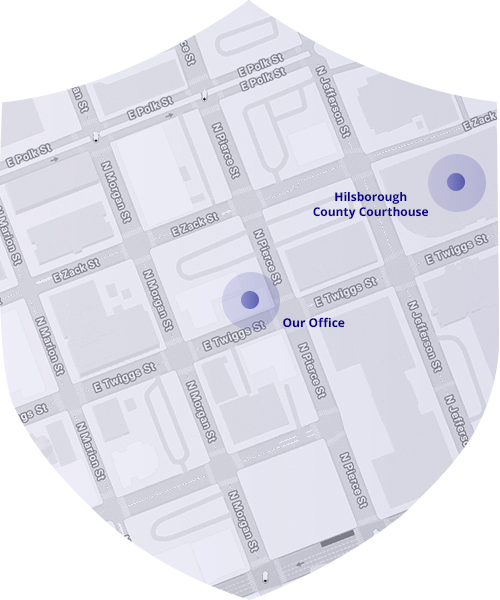
Tampa, FL 33602
Free Legal Consultation (813) 727-7159